
Quick Answer: Most sciatica resolves without surgery. Roughly 85–90% of patients with a disc-related sciatica episode improve within 6 to 12 weeks using conservative measures alone. Surgery is clearly indicated only when there are red-flag neurological signs (such as cauda equina syndrome or progressive muscle weakness), when pain remains severe and disabling after an adequate trial of non-operative care, or when imaging findings match the clinical picture. If you've been told you need an operation, getting an independent second opinion — including an online second opinion — is a reasonable and often wise step before committing.
Key Takeaways
- Time is your ally in most cases. The natural history of sciatica favours recovery: the majority of disc herniations shrink or resorb over weeks to months.
- Surgery speeds up relief but rarely changes the long-term outcome. At one year, surgical and non-surgical patients often report similar satisfaction levels.
- Red flags demand urgent action. Cauda equina syndrome, rapidly worsening foot drop, or severe progressive weakness are situations where delaying surgery can cause permanent harm.
- Conservative care is not "doing nothing." Structured physiotherapy, appropriate medication, and activity modification are active treatments with strong evidence.
- Not every disc herniation on MRI needs an operation. Many people with large herniations on imaging have no symptoms at all, and vice versa.
- A second opinion before spine surgery is standard good practice worldwide, not a sign of distrust. An online second opinion can provide clarity when local options are limited.
- Surgery carries real but generally low risks, including infection, nerve injury, recurrent herniation, and anaesthesia complications.
- Your individual circumstances matter most. Age, occupation, overall health, symptom duration, and personal goals all factor into the decision.
What Exactly Is Sciatica and How Do I Know If I Need Surgery?
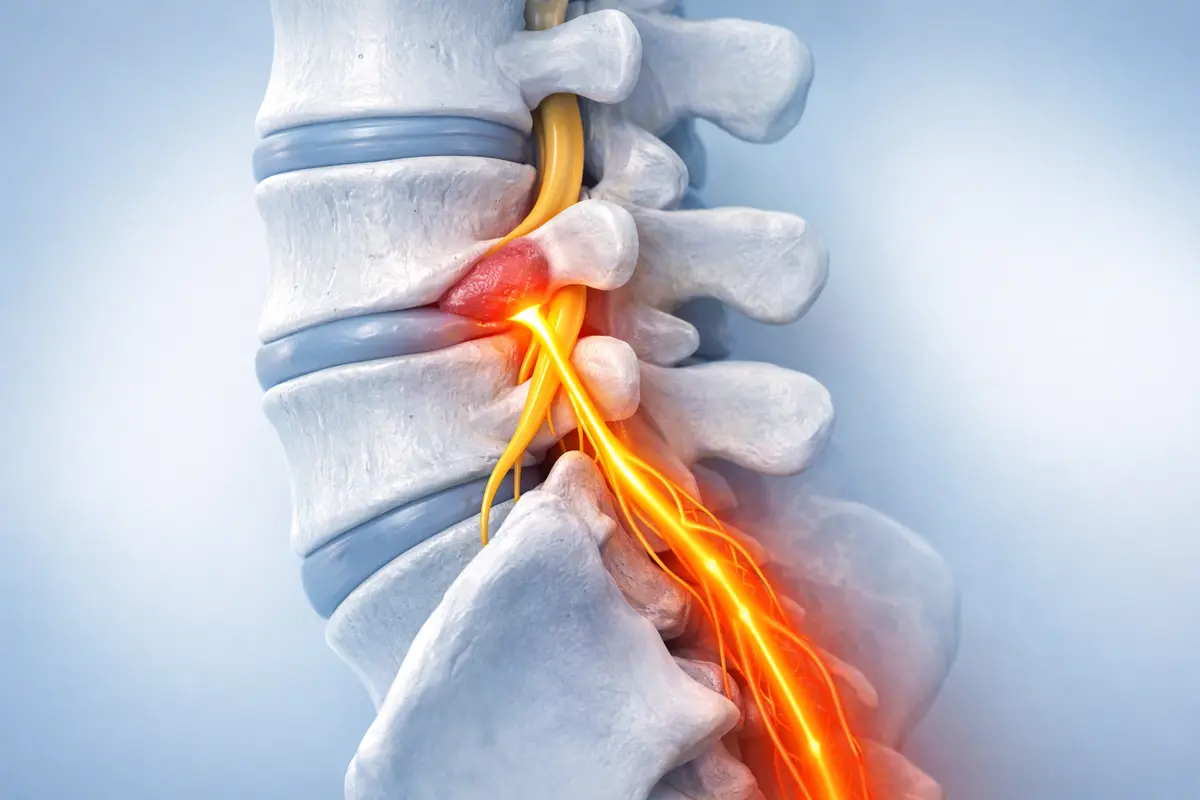
Sciatica is leg pain caused by irritation or compression of one of the spinal nerve roots that form the sciatic nerve, most commonly at the L4-L5 or L5-S1 level. The usual culprit is a lumbar disc herniation, though spinal stenosis, spondylolisthesis, or other structural problems can also be responsible.
You know it's likely sciatica when:
- Pain travels from the lower back or buttock down the leg, often below the knee
- It follows a specific nerve distribution (for example, the outer calf and top of the foot for L5)
- Numbness, tingling, or weakness may accompany the pain
- Coughing, sneezing, or straining can make it worse
You probably don't need surgery if your pain is improving week by week, you have no progressive weakness, and you can manage daily activities with conservative treatment. You may need surgery if you have a clear red-flag sign, or if severe pain persists despite 6 to 12 weeks of proper non-operative care with imaging that matches your symptoms.
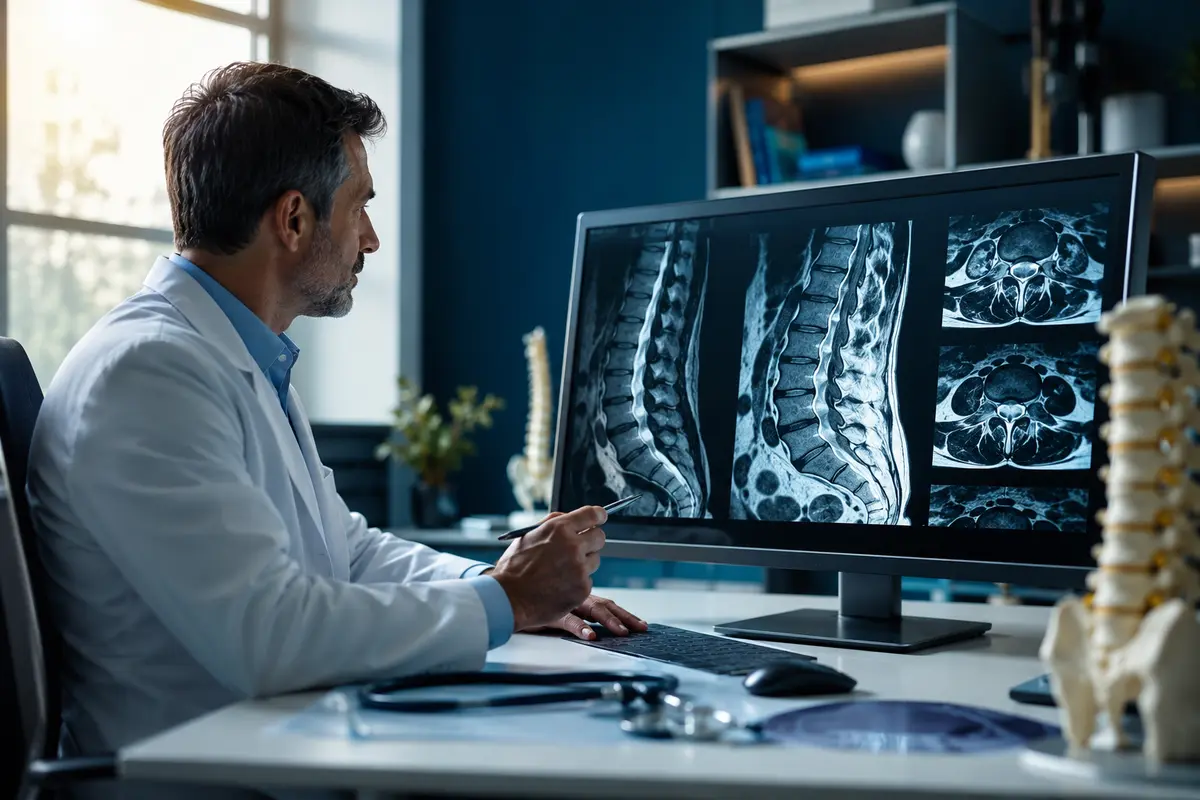
Common mistake: Assuming that a large disc herniation on MRI automatically means surgery. MRI findings must correlate with your clinical symptoms. I regularly review scans showing impressive herniations in patients whose pain is already resolving on its own.
Can I Treat Sciatica Without Surgery and How Long Does That Take?
Yes, and this is the path most patients should try first. Conservative treatment is effective for the majority of sciatica cases, with meaningful improvement typically occurring within 6 to 12 weeks.
What conservative care actually looks like:
| Treatment | What it involves | Evidence level |
|---|---|---|
| Structured physiotherapy | McKenzie exercises, core stabilisation, nerve mobilisation | Strong (recommended by NICE and Cochrane reviews) |
| Oral medication | NSAIDs (e.g. ibuprofen, naproxen), short-course neuropathic agents (gabapentin) | Moderate |
| Activity modification | Avoiding prolonged sitting, staying active within pain limits | Strong consensus |
| Epidural steroid injections | Targeted corticosteroid near the affected nerve root | Moderate (short-term relief; limited long-term benefit) |
| Manual therapy | Osteopathy or chiropractic manipulation as adjunct | Limited but some patients benefit |
Timeline to expect:
- Weeks 1–2: Acute phase. Pain may be severe. Focus on pain control and gentle movement.
- Weeks 3–6: Gradual improvement in most patients. Physiotherapy becomes more active.
- Weeks 6–12: Significant resolution for most. If no improvement by week 8–12, reassessment is warranted.
- 3–6 months: Some slower-recovering patients continue to improve. Larger herniations can take longer to resorb.
Edge case: If your pain suddenly worsens after a period of improvement, or if new neurological symptoms appear (weakness, bladder changes), don't wait — seek urgent medical review.
What Percentage of Sciatica Patients Actually Need Surgical Intervention?
Only about 5–10% of patients with sciatica ultimately require surgery. This figure comes from large observational studies and is consistent with guidelines from NICE and the North American Spine Society.
The reason is straightforward: disc herniations often shrink over time through a natural process of resorption. The body's immune system gradually breaks down the extruded disc material. This has been well documented on serial MRI studies, where herniations — sometimes even large sequestrated fragments — can be seen to reduce substantially or disappear entirely over months.
This means that for every ten patients I see with acute sciatica, roughly nine will get better without an operation. That's genuinely reassuring, and it's why I encourage patience and proper conservative care before considering surgery.
Who Should Definitely Get Sciatica Surgery and Who Should Avoid It?
Surgery is clearly indicated when:
- Cauda equina syndrome is present: loss of bladder or bowel control, saddle-area numbness, bilateral leg weakness. This is a surgical emergency.
- Progressive motor weakness (e.g. worsening foot drop) that is deteriorating despite conservative care.
- Severe, disabling pain that has not responded to at least 6–8 weeks of appropriate non-operative treatment, with imaging that confirms a structural cause matching the symptoms.
Surgery may be reasonable (but not mandatory) when:
- Pain is tolerable but significantly limiting quality of life after 3+ months of conservative care
- The patient's occupation or personal circumstances make prolonged recovery impractical, and they understand the trade-offs
Surgery should generally be avoided when:
- Symptoms are improving on their own
- MRI findings don't match the clinical picture (e.g. a right-sided herniation but left-sided symptoms)
- The primary complaint is back pain rather than leg pain (discectomy is much less effective for isolated back pain)
- Significant medical comorbidities make the surgical risk disproportionate to the expected benefit
Decision rule: If your leg pain is clearly worse than your back pain, your MRI shows a herniation at the right level and side, and you've given conservative care a genuine trial — surgery is a reasonable option. If any of those three conditions isn't met, pause and reconsider.
Warning Signs That Your Sciatica Is Getting Worse and Needs Surgical Review
Not all sciatica follows a smooth recovery path. Certain warning signs, sometimes called "red flags," mean you should seek urgent specialist review rather than continuing to wait.
Seek emergency or urgent assessment if you notice:
- Loss of bladder or bowel control (inability to urinate, incontinence, or loss of sensation when wiping) — this may indicate cauda equina syndrome
- Numbness in the saddle area (inner thighs, perineum, buttocks)
- Rapidly progressive weakness in the foot or leg (e.g. you could walk on your heels last week but can't now)
- Bilateral leg symptoms developing suddenly
- Severe unrelenting pain that is not responding to any medication, preventing sleep for multiple nights
Seek non-urgent but timely review if:
- Pain has not improved at all after 6–8 weeks of conservative treatment
- You're developing new numbness or tingling
- Weakness is present but stable (not worsening)
- You're unable to return to work or normal activities after 3 months
Common mistake: Ignoring early bladder symptoms because they seem minor. Even subtle changes — a weak stream, difficulty initiating urination, or reduced sensation — can be early signs of cauda equina compression and should be assessed the same day.
How Successful Are Different Types of Sciatica Surgeries?
The most common surgery for disc-related sciatica is a microdiscectomy (also called microdecompression). It has a well-established track record.
Microdiscectomy:
- Success rate for leg pain relief: approximately 80–90% of patients report significant improvement
- Typically performed as a day-case or single-night-stay procedure
- Uses a small incision (2–3 cm) and an operating microscope
- Recovery to light activity: 2–4 weeks; full activity: 6–12 weeks
Other surgical options:
| Procedure | When used | Success rate (approximate) |
|---|---|---|
| Standard open discectomy | Larger herniations, revision cases | Similar to microdiscectomy (80–85%) |
| Endoscopic discectomy | Select cases, experienced centres | Comparable outcomes, potentially faster soft-tissue recovery |
| Laminectomy / decompression | Spinal stenosis causing sciatica | 70–80% improvement in leg symptoms |
| Fusion surgery | Instability, spondylolisthesis, recurrent herniations | Variable; 60–80% depending on indication |
The Cochrane Collaboration has reviewed the evidence for surgical versus conservative treatment of lumbar disc herniation and found that surgery provides faster pain relief in the short term, but by 1–2 years the difference between surgical and non-surgical groups narrows considerably. This is an important nuance: surgery accelerates recovery but doesn't necessarily change the final destination for most patients.

Long-Term Outcomes for People Who Have Had Microdiscectomy
Most patients do well after microdiscectomy. Long-term follow-up studies (5–10 years) show that the majority of patients remain satisfied with their outcome and have significantly less leg pain than before surgery.
Key long-term findings:
- Recurrent disc herniation at the same level occurs in roughly 5–15% of patients over 10 years
- Return to work rates are generally high, with most patients resuming their previous occupation within 4–12 weeks
- Patient satisfaction at 5 years is typically reported at 75–85% in large registry studies
- Reoperation rates are approximately 5–10% within 10 years (for recurrence or adjacent-level problems)
What affects long-term outcomes:
- Smoking significantly increases the risk of recurrent herniation and poor healing
- Obesity places additional mechanical load on the operated disc
- Heavy manual labour is associated with higher recurrence rates
- Patients who follow a structured rehabilitation programme tend to do better
Recovery Time and Restrictions After Sciatic Nerve Surgery
After a standard microdiscectomy, most patients can walk the same day. Here's a realistic recovery timeline:
- Day 1–3: Walking short distances. Mild to moderate wound discomfort. Leg pain often dramatically improved or gone.
- Weeks 1–2: Gradual increase in walking distance. Avoid heavy lifting (generally nothing over 5 kg). Wound care.
- Weeks 2–6: Begin structured physiotherapy. Light daily activities. Many patients with desk jobs return to work at 3–4 weeks.
- Weeks 6–12: Progressive return to exercise. Lifting restrictions gradually eased. Most patients feel "back to normal."
- 3–6 months: Full recovery for most. Physically demanding occupations may require the full 3 months.
Restrictions that matter:
- No prolonged sitting (>30 minutes at a time) in the first 2–4 weeks
- No bending, lifting, or twisting under load for 6 weeks
- Driving: typically allowed at 2–4 weeks when you can perform an emergency stop comfortably
- Sports: low-impact activities (swimming, walking) from 4–6 weeks; contact sports or heavy gym work from 3 months
These timelines vary by surgeon, technique, and individual patient factors. Always follow your own surgeon's specific guidance.
What Are the Risks of Sciatic Nerve Surgery Compared to Physical Therapy?
Surgery carries specific risks that conservative care does not. However, conservative care carries its own risk: prolonged suffering and, in rare cases, allowing a worsening neurological deficit to become permanent.
Surgical risks (microdiscectomy):
- Infection: 1–2%
- Nerve root injury: less than 1%
- Dural tear (spinal fluid leak): 1–3%
- Recurrent disc herniation: 5–15% over 10 years
- Anaesthesia complications: rare but real
- Deep vein thrombosis: low risk with prophylaxis
- Failure to improve: approximately 5–10% of patients don't get meaningful relief
Risks of prolonged conservative care:
- Extended period of pain and disability
- Potential for chronic pain sensitisation if severe symptoms persist too long
- Rare: permanent nerve damage if a progressive deficit is not addressed surgically in time
- Psychological impact of prolonged pain (anxiety, depression, social withdrawal)
The bottom line: For most patients, trying conservative care first is lower risk overall. But when clear surgical indications exist, delaying an operation also carries risk.
What Medical Conditions Make Sciatica Surgery Too Risky?
No surgery is without risk, and certain conditions increase that risk substantially. Surgery may be inadvisable or require special precautions when:
- Uncontrolled diabetes — increases infection risk and impairs wound healing
- Severe cardiac or pulmonary disease — anaesthesia risk may outweigh benefit
- Active infection or sepsis — surgery should be postponed
- Blood clotting disorders or anticoagulant therapy — increases bleeding risk (may need bridging)
- Severe obesity (BMI >40) — higher complication rates, though not an absolute contraindication
- Active malignancy — depends on prognosis and overall treatment plan
- Significant psychiatric instability — may affect consent, compliance, and outcome perception
In these situations, a thorough risk-benefit discussion with your surgeon and anaesthetist is essential. Sometimes the answer is "not now" rather than "never."
How Much Does Sciatica Surgery Cost Without Insurance?
Costs vary enormously by country and healthcare system. As a surgeon based in Germany, I can offer some general ranges, but these should be verified locally:
| Country/Region | Approximate cost (microdiscectomy, self-pay) |
|---|---|
| Germany | €4,000–€8,000 |
| UK (private) | £5,000–£10,000 |
| India | $1,500–$4,000 |
| Turkey | $3,000–$6,000 |
| Australia (private) | AUD 8,000–15,000 |
These are rough estimates based on published hospital price lists and medical tourism data available as of 2025. They typically include surgeon fees, anaesthesia, facility costs, and a short hospital stay, but may not cover pre-operative imaging, physiotherapy, or follow-up. Always request a detailed cost breakdown before committing.
Important: Cost should never be the primary factor in deciding whether to have surgery. The decision should be driven by clinical need, and the choice of surgeon and facility should prioritise expertise and safety.
Alternative Treatments That Might Prevent Me From Needing Surgery
Beyond standard physiotherapy and medication, several adjunctive treatments may help some patients avoid surgery:
- Epidural steroid injections: Can provide weeks to months of relief, creating a window for natural healing. Evidence supports short-term benefit; long-term benefit is less clear.
- Acupuncture: NICE acknowledges limited evidence; some patients report meaningful relief.
- Cognitive behavioural therapy (CBT): Particularly useful when pain catastrophising or fear-avoidance behaviour is contributing to disability.
- Yoga and Pilates: Gentle, supervised programmes can improve core stability and reduce recurrence. Not suitable during the acute severe phase.
- Spinal traction: Mixed evidence. Some patients find relief; systematic reviews are inconclusive.
- Anti-inflammatory nutrition and weight management: Reducing body weight decreases mechanical load on the spine and may reduce disc-related inflammation.
What I tell my patients: There's no single "miracle" alternative. The best approach combines structured exercise, appropriate pain management, patience, and close monitoring. If you're improving, keep going. If you're not, reassess.
What Are the Most Common Mistakes People Make When Dealing With Sciatica Pain?
After years of treating sciatica patients and reviewing cases from around the world for second opinions, I see the same errors repeatedly:
- Complete bed rest. This was once standard advice. It's now known to be counterproductive. Gentle movement and walking are better.
- Rushing to surgery too early. Having an operation in the first 2–3 weeks (unless red flags are present) denies the body its best chance to heal naturally.
- Ignoring red flags. On the opposite end, some patients endure worsening weakness or bladder symptoms for weeks before seeking help, risking permanent damage.
- Relying solely on passive treatments. Massage, heat packs, and ultrasound feel good but don't address the underlying problem. Active rehabilitation is what works.
- Not getting a second opinion. Spine surgery recommendations vary significantly between surgeons. A second perspective — whether in person or online — can confirm the plan or reveal better alternatives.
- Stopping physiotherapy too soon. Many patients quit exercises once the pain eases, then relapse. A maintenance programme reduces recurrence.
- Catastrophising based on MRI alone. A scan showing a disc herniation is not a sentence to surgery. Context matters enormously.
The Value of a Second Opinion: Sciatica Surgery or Not?
If you've been recommended spinal surgery, seeking a second opinion is not a sign of distrust — it's good medical practice. Multiple studies have shown that second opinions in spine surgery change the recommended treatment in a significant proportion of cases.
Why a second opinion matters:
- Spine surgery indications can be subjective, particularly in the "grey zone" between clear surgical need and clear conservative management
- Different surgeons may recommend different procedures (or no procedure at all) for the same condition
- An independent review of your imaging and clinical history can identify overlooked alternatives
- It provides reassurance — whether the second opinion agrees or disagrees with the first
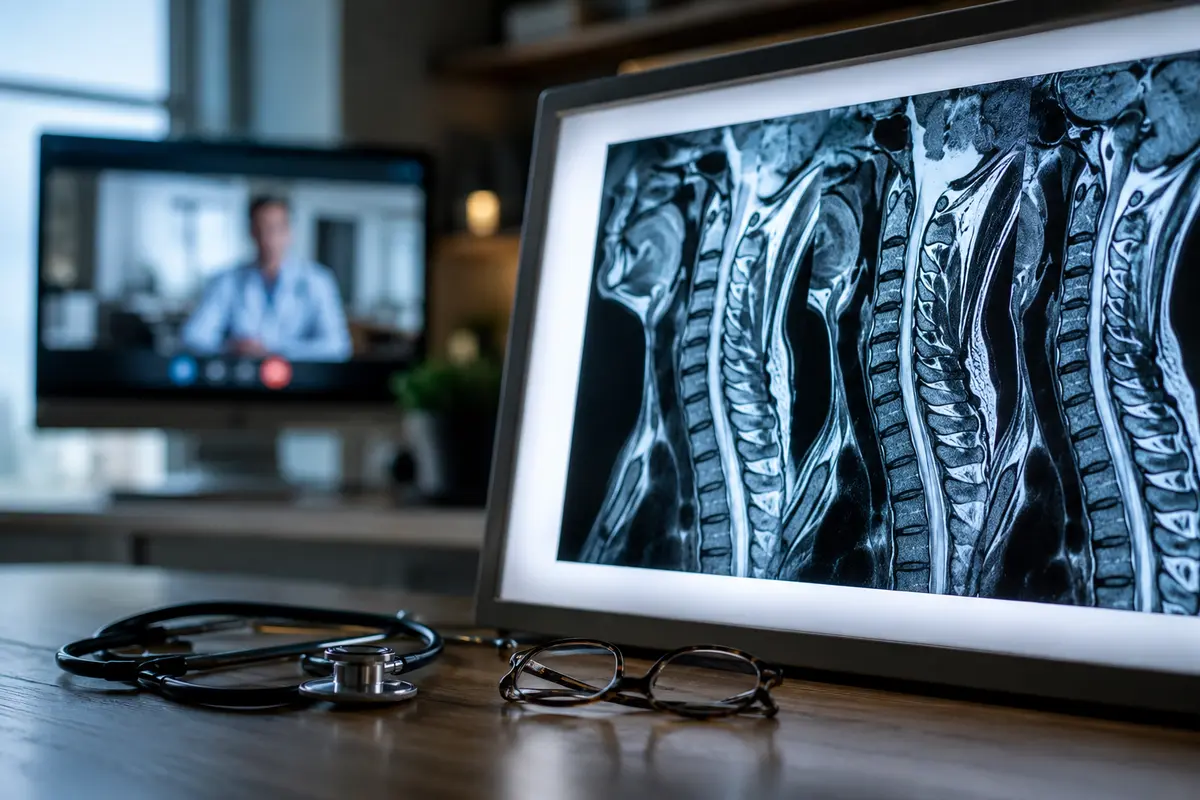
Online second opinions are particularly valuable for international patients who may not have easy access to a subspecialised spine surgeon locally. As part of my practice, I provide online spine second opinions for patients worldwide, reviewing MRI scans, clinical histories, and surgical recommendations to offer an independent, evidence-based perspective.
An online second opinion doesn't replace an in-person examination, and I always make that clear. But it can answer the critical question: based on what the imaging and history show, does surgery make sense, or is there a reasonable alternative?
Frequently Asked Questions
How do I know if my sciatica is bad enough for surgery?
Surgery is typically considered when you have severe leg pain that hasn't improved after 6–12 weeks of conservative care, or when you have progressive neurological deficits (worsening weakness, bladder/bowel dysfunction). The decision should be based on the combination of your symptoms, clinical examination, and imaging findings — not imaging alone.
Is sciatica surgery a major operation?
A microdiscectomy is considered a minor to moderate surgical procedure. It usually takes 45–90 minutes, requires a small incision, and most patients go home the same day or the next morning. It is performed under general anaesthesia, so it does carry the standard risks of any surgical procedure.
Can sciatica come back after surgery?
Yes. The recurrence rate for disc herniation at the same level is approximately 5–15% over 10 years. Maintaining a healthy weight, not smoking, staying active, and following a core-strengthening programme all reduce this risk.
What happens if I choose not to have surgery?
For most patients, the outcome is good. The natural history of disc-related sciatica favours recovery. However, if you have a progressive neurological deficit and choose not to operate, there is a risk of permanent nerve damage. This is why ongoing monitoring is important.
How long should I wait before considering surgery?
In the absence of red flags, a minimum of 6–8 weeks of structured conservative care is generally recommended before surgery is considered. Some guidelines suggest up to 12 weeks. The key is whether you're improving — if the trajectory is positive, more time is reasonable.
Is an online second opinion reliable for sciatica surgery decisions?
An online second opinion from a qualified spine specialist can provide valuable independent perspective on your imaging and clinical history. It is not a substitute for a physical examination, and any reputable surgeon offering this service will tell you so. But for the question of "sciatica surgery or not," reviewing your MRI and history remotely can often clarify whether surgery is genuinely indicated.
Conclusion
The question of sciatica surgery or not is one I help patients answer every week, both in my clinic in Stolberg and through online second opinions for patients around the world. The evidence is clear: most sciatica improves without surgery, and patience combined with active conservative care is the right first step for the majority of patients.
But surgery has a definite role. When red flags are present, when a progressive neurological deficit is developing, or when severe pain persists despite a genuine trial of non-operative treatment, a well-indicated microdiscectomy is a safe and effective procedure with high success rates.
Your next steps:
- If you have red-flag symptoms (bladder/bowel changes, progressive weakness, saddle numbness), seek emergency assessment today.
- If you're in the first 6–8 weeks of sciatica without red flags, commit to structured conservative care with a physiotherapist and reassess.
- If you've been recommended surgery, consider getting an independent second opinion — especially if anything about the recommendation feels uncertain. An online second opinion can provide clarity quickly and conveniently.
- If you've had adequate conservative care without improvement, and your imaging matches your symptoms, surgery is a reasonable and well-supported option.
This article is for educational purposes and does not constitute personal medical advice. Individual decisions about surgery should always be made in consultation with a qualified specialist who has examined you and reviewed your imaging.
Omer Boshara is a board-certified, DWG-certified spine surgeon based in Stolberg, Germany, offering in-person consultations and online spine second opinions for patients worldwide.
Meta Title: Sciatica Surgery or Not? A Spine Surgeon's Honest Guide
Meta Description: Should you have sciatica surgery or not? Spine surgeon Omer Boshara explains when surgery is needed, red flags, recovery, and the value of a second opinion.
Tags: sciatica surgery or not, sciatica treatment, microdiscectomy, lumbar disc herniation, spine second opinion, sciatica recovery, cauda equina syndrome, conservative sciatica care, sciatica red flags, online second opinion spine, sciatica surgery risks, physiotherapy for sciatica