Last updated: June 14, 2026
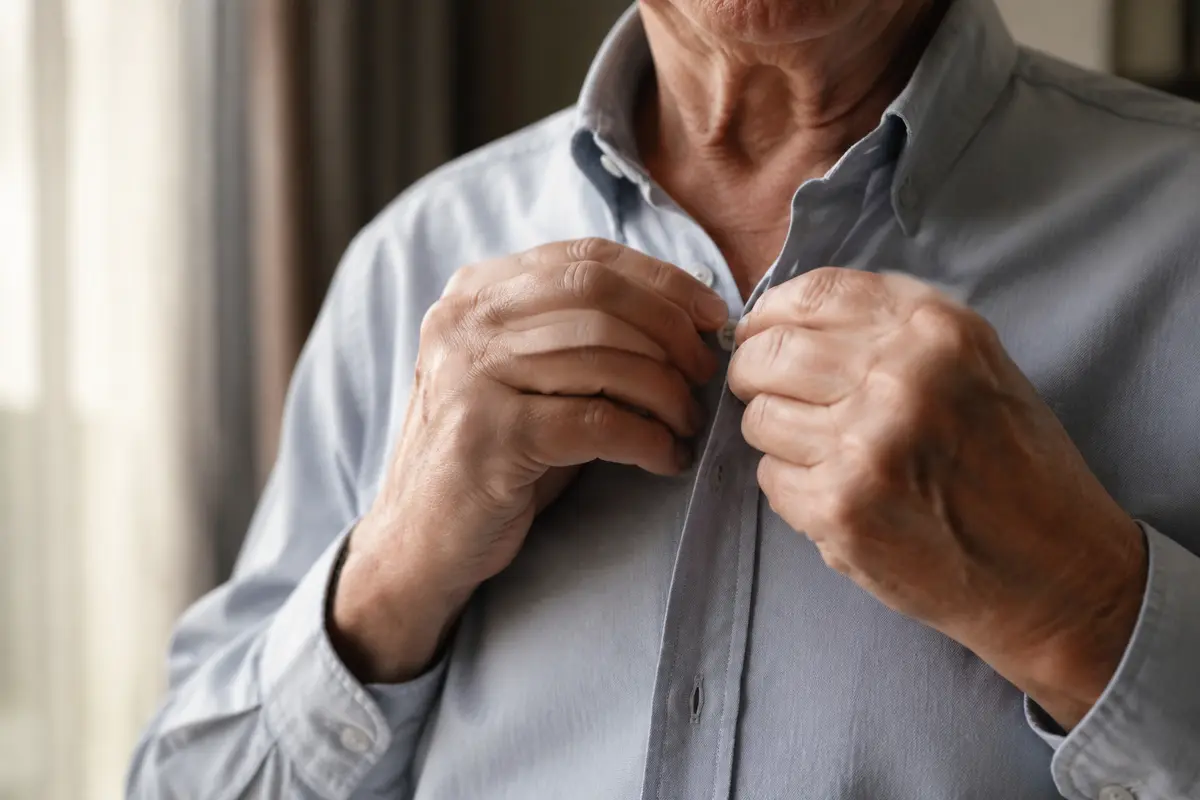
A button that suddenly takes thirty seconds to fasten. A coin that won't quite leave the floor when you try to pick it up. A walk to the kitchen that feels less steady than it did last year. These are not signs of "just getting older" — they can be the first whispers of cervical myelopathy, the most serious consequence of cervical spinal stenosis.
I'm Omer Boshara, a board-certified, DWG-certified spine surgeon based in Stolberg, Germany. I review spine cases from patients around the world who want an independent online second opinion before agreeing to surgery. Cervical spinal stenosis is one of the conditions where I most often see two opposite mistakes: people rushing into surgery they may not need, and people delaying surgery they probably do need. This guide is here to help you tell the difference.
Quick Answer
Cervical spinal stenosis is a narrowing of the spinal canal in the neck that can compress the spinal cord and nerve roots. When it causes cord dysfunction (myelopathy) with signs like hand clumsiness, gait instability, or loss of fine motor control, surgical decompression is often justified earlier rather than later, because cord damage may not fully reverse. Mild cases without myelopathy can often be managed non-surgically with physiotherapy and monitoring. An independent expert review of your MRI is sensible before committing to surgery.
Key Takeaways
- Cervical spinal stenosis means the spinal canal in your neck is narrower than normal, usually from age-related wear.
- The dangerous form is cervical spondylotic myelopathy (CSM) — spinal cord compression causing neurological symptoms.
- Early myelopathy signs are subtle: dropping objects, buttoning trouble, handwriting changes, unsteady walking.
- Pain is not always present. Many people with myelopathy have more clumsiness than neck pain.
- Imaging alone does not determine the need for surgery — symptoms and clinical examination do.
- For moderate to severe myelopathy, surgical decompression is supported by international guidelines and tends to work best before significant cord damage develops.
- An independent second opinion is especially valuable here, as the decision is irreversible and the timing matters.
What exactly is cervical spinal stenosis?

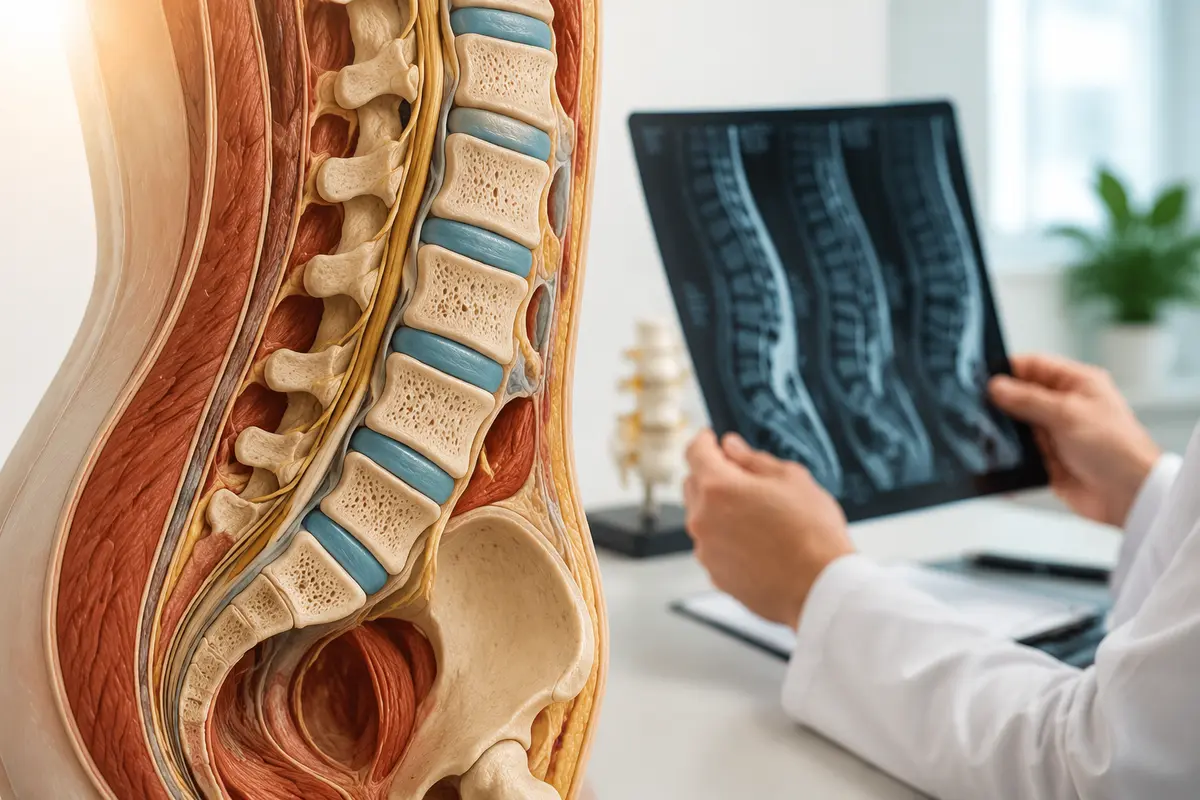
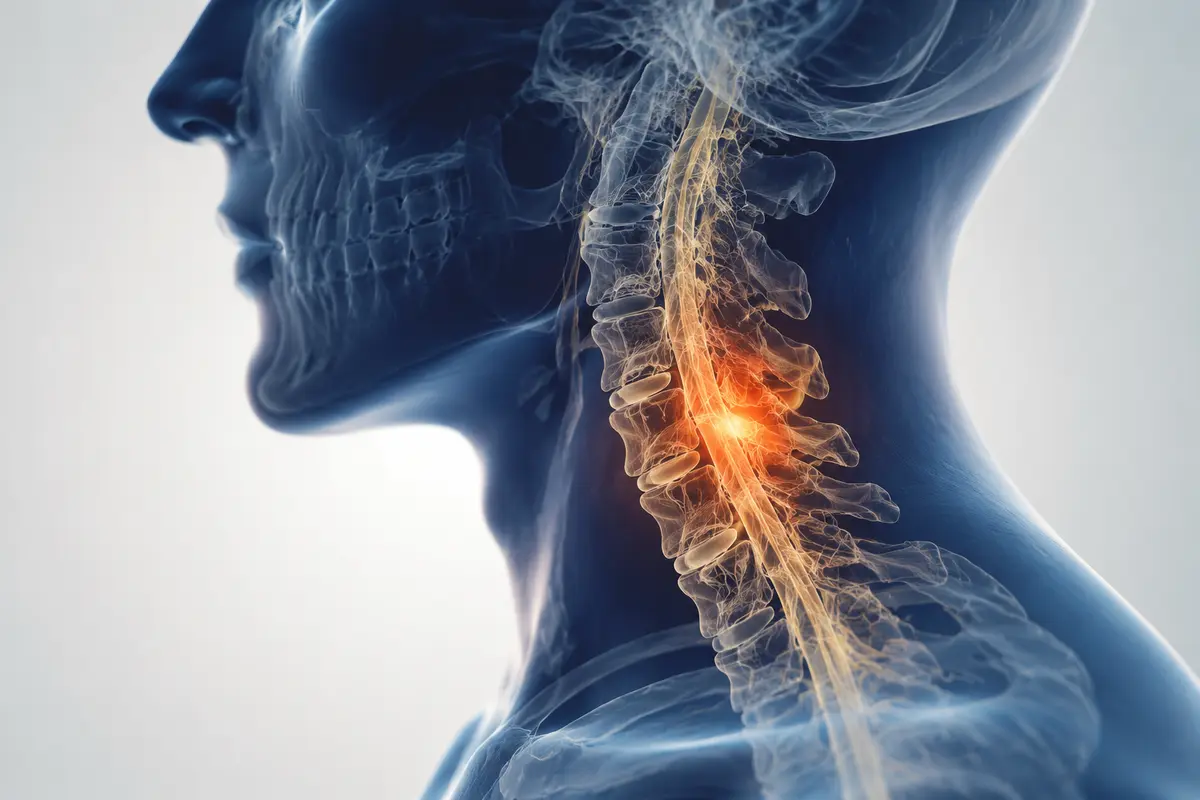
Cervical spinal stenosis is a narrowing of the bony canal that protects the spinal cord in your neck (the cervical spine, vertebrae C1 to C7). The narrowing is usually caused by age-related changes: bulging discs, bone spurs (osteophytes), thickened ligaments (especially the ligamentum flavum), and facet joint enlargement.
When the canal narrows enough to press on the spinal cord itself, the condition becomes cervical spondylotic myelopathy. When it presses on a nerve root exiting the spine, it's called cervical radiculopathy. These can occur separately or together.
In plain terms: stenosis is the anatomy. Myelopathy is what happens when that anatomy starts to injure the spinal cord.
How serious is cervical spinal stenosis?
It depends entirely on whether the spinal cord is being compressed and whether that compression is causing neurological symptoms. Mild stenosis without symptoms is common and often harmless. Symptomatic myelopathy, however, is a serious condition because the spinal cord has limited capacity to recover once damaged.
Here's a practical way to think about severity:
| Stage | What it looks like | Typical approach |
|---|---|---|
| Stenosis on MRI, no symptoms | Found incidentally | Monitor, no treatment needed |
| Neck pain or radiculopathy only | Arm pain, tingling, weakness in one arm | Conservative care first |
| Mild myelopathy | Subtle hand clumsiness, mild balance change | Surgery often recommended |
| Moderate–severe myelopathy | Clear gait problems, dropping objects, bladder changes | Surgery usually recommended promptly |
The key principle: myelopathy changes the conversation. Stenosis without cord symptoms is rarely an emergency. Stenosis with progressive cord symptoms often is.
What are the symptoms of cervical spinal stenosis?
Symptoms fall into three categories: neck-related, nerve root-related, and spinal cord-related. The cord-related symptoms are the ones that matter most for surgical decision-making.
Neck symptoms:
- Stiffness and reduced range of motion
- Aching pain at the base of the neck
Radiculopathy (nerve root) symptoms:
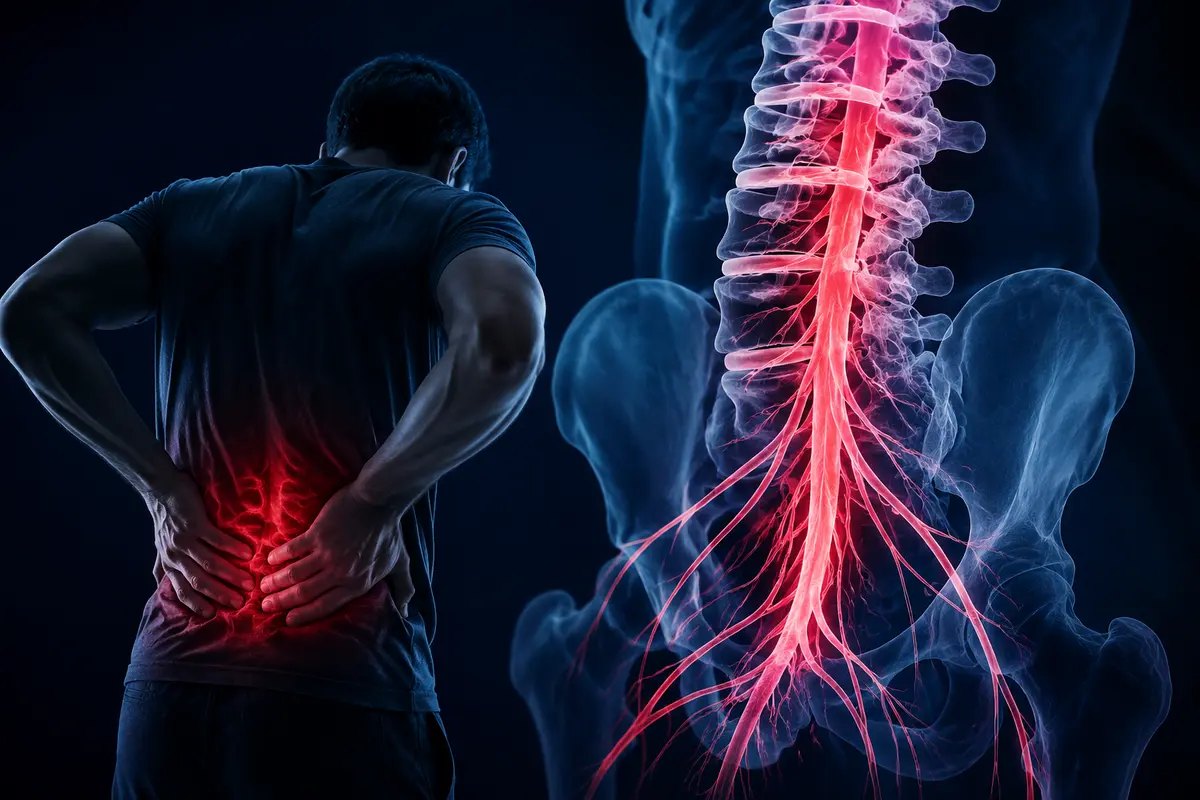
- Sharp pain radiating into the shoulder, arm, or hand
- Numbness or tingling in a specific finger pattern
- Weakness in a specific muscle group (e.g. biceps, triceps)
Myelopathy (spinal cord) symptoms — the ones I take most seriously:
- Hand clumsiness: trouble with buttons, zips, coins, handwriting, picking up small objects
- Gait instability: a sense of walking on uneven ground, widening your stance, mild falls
- Loss of fine motor control in both hands
- Lhermitte's sign: an electric shock down the spine when you flex your neck
- Hyperreflexia: brisk reflexes on examination
- Late-stage: bladder urgency or hesitancy
- Numbness in the trunk or legs in advanced cases
If you notice your handwriting is shrinking, you're dropping mugs, or your spouse comments that you walk differently — these are the signs I want patients (and their doctors) to take seriously.
How do I know if my neck pain is from spinal stenosis?
Honestly, you often can't tell from pain alone. Most neck pain is musculoskeletal and has nothing to do with stenosis. What points more toward stenosis with cord involvement is the combination of neck symptoms with hand or gait changes.
A reasonable self-check (not a diagnosis):
- Has your handwriting changed in the last 6–12 months?
- Do you drop small objects more often?
- Has anyone commented that your walking looks different?
- Do you feel electric-shock sensations when you bend your neck forward?
- Do you have new clumsiness using utensils or a phone keyboard?
If two or more of these are "yes" and you have neck symptoms, ask your doctor about a cervical MRI and a neurological examination.
What are the risks of leaving cervical spinal stenosis untreated?
For asymptomatic stenosis, the risk is low and watchful waiting is reasonable. For established myelopathy, untreated compression can lead to progressive, sometimes permanent, neurological decline — worsening hand function, loss of independent walking, and in severe cases bladder or bowel involvement.
The spinal cord is not like a muscle that simply weakens and recovers. Prolonged compression causes structural changes (gliosis, demyelination) that may not fully reverse even after the pressure is removed. This is the central reason surgeons consider earlier intervention for myelopathy than for, say, lumbar stenosis.
A separate concern is traumatic spinal cord injury from minor trauma. A neck that is already narrow tolerates a fall or whiplash much less well than a healthy one.
What treatments work best for cervical spinal stenosis?
The right treatment depends on whether myelopathy is present.
Without myelopathy (stenosis with neck pain or mild radiculopathy):
- Physiotherapy focused on posture, deep neck flexors, and scapular control
- Activity modification
- Short courses of anti-inflammatory medication if appropriate
- Selective nerve root injections for stubborn radiculopathy
- Surgery only if conservative care fails after a reasonable trial (typically 6–12 weeks)
With myelopathy:
International guidance — including from organisations such as the WFNS (World Federation of Neurosurgical Societies) and AO Spine — generally supports surgical decompression for moderate to severe myelopathy, and considers it for mild myelopathy after careful discussion. The aim is to halt progression and give the cord the best chance to recover what it can.
Surgical options vary by the level, direction, and extent of compression:
| Approach | When it's used | Notes |
|---|---|---|
| Anterior cervical discectomy and fusion (ACDF) | 1–2 level compression from the front | Most common, well-studied |
| Cervical disc arthroplasty (artificial disc) | Selected single-level disc disease | Preserves motion |
| Posterior laminectomy with fusion | Multi-level compression from behind | For longer segments |
| Laminoplasty | Multi-level compression, good neck alignment | Motion-preserving alternative |
Choosing between these is not trivial. It depends on your alignment, the number of levels, the direction of compression, your age, and your activity goals. This is exactly the kind of decision where a second opinion adds real value.
Can cervical spinal stenosis be cured?
It cannot be "cured" in the sense of restoring a perfectly young spine, because the underlying changes are degenerative. But the compression can be effectively relieved, and in many patients symptoms stabilise or improve significantly after appropriate treatment.
For mild stenosis without cord involvement, symptoms can often be controlled for years with conservative care. For myelopathy, surgery aims to stop progression first and recover function second. The degree of recovery depends heavily on how long the cord was compressed and how severe the damage already is.
Can physical therapy help with cervical spinal stenosis?
Yes, for the right patients. Physiotherapy is the first-line treatment for cervical spinal stenosis without myelopathy and for radiculopathy. It can reduce pain, improve neck mechanics, and strengthen stabilising muscles.
What physiotherapy cannot do is widen the bony canal or reverse spinal cord compression. So for established myelopathy, physiotherapy is supportive — useful before and after surgery — but it is not a substitute for decompression.
Avoid aggressive cervical manipulation if you have significant stenosis or any signs of myelopathy. Gentle, supervised exercise is the safer route.
What activities should I avoid with cervical spinal stenosis?
Common-sense precautions, especially if you have moderate stenosis or any myelopathy signs:
- Contact sports (rugby, boxing, martial arts)
- High-impact activities with fall risk (downhill mountain biking, horse riding, gymnastics)
- Aggressive chiropractic neck manipulation
- Roller coasters and whiplash-prone rides
- Heavy overhead lifting with poor form
- Prolonged neck hyperextension (e.g. painting a ceiling for hours)
Activities that are generally fine and often encouraged: walking, swimming, stationary cycling, gentle yoga or Pilates (with a teacher who knows your diagnosis), and structured strength training with neutral spine technique.
Is cervical spinal stenosis common in older adults? Can younger people get it?
Yes to both, though with different causes. Degenerative cervical spinal stenosis becomes increasingly common from the 50s onward, and a significant proportion of adults over 60 will have some degree of canal narrowing on MRI — often without symptoms.
Younger people can develop cervical spinal stenosis when they are born with a congenitally narrow canal. They have less "spare room" around the cord, so even modest disc bulges or injuries can cause symptoms decades earlier than expected. Sports injuries, disc herniations, and rare conditions like ossification of the posterior longitudinal ligament (OPLL) can also produce stenosis in younger patients.
Is cervical spinal stenosis hereditary?
Partly. The degenerative form is mostly driven by age and mechanical wear, but canal diameter itself has a genetic component. People with a constitutionally narrow canal are more likely to become symptomatic earlier. Certain conditions associated with stenosis, such as OPLL, show higher prevalence in some populations and have heritable elements.
If a close relative needed cervical spine surgery at a young age, mention it to your doctor — it may slightly shift the threshold for imaging if you develop symptoms.
How much does surgery for cervical spinal stenosis cost?
Costs vary enormously by country, hospital, and procedure type, so I won't quote specific figures. What I can tell you is what drives the cost:
- Procedure type (single-level ACDF is typically less complex than multi-level posterior fusion)
- Implants used (artificial discs and certain cages are more expensive)
- Length of hospital stay
- Country and healthcare system
- Surgeon and facility fees
For international patients considering treatment abroad, I always recommend getting a written, itemised estimate and clarifying what is and isn't included (imaging, anaesthesia, implants, follow-up, rehabilitation).
Why a second opinion matters before cervical spine surgery
Cervical spine surgery is generally safe in experienced hands, but it is not a small decision. The choice of approach (front vs back), whether to fuse, how many levels to address, and whether to operate now or wait — these are judgement calls where experienced surgeons sometimes disagree.
A structured online second opinion lets you:
- Confirm the diagnosis based on your actual MRI images, not just the report
- Understand whether your symptoms truly justify surgery now
- Explore whether a less extensive procedure is reasonable
- Ask questions in your own language and time zone, without pressure
I provide these reviews for patients worldwide. The goal isn't to override your local surgeon — it's to give you confidence that the plan in front of you is the right one for your situation. Sometimes the second opinion confirms the original recommendation, which is genuinely reassuring. Sometimes it changes it. Either way, you decide from a more informed position.
FAQ
Is cervical spinal stenosis the same as a slipped disc?
No. A slipped (herniated) disc is one possible cause of stenosis, but stenosis usually involves several structures narrowing the canal together, including bone, ligament, and disc changes.
Can cervical spinal stenosis cause headaches?
It can contribute to occipital (back-of-head) headaches when upper cervical levels are involved, but most headaches have other causes. Don't assume stenosis is to blame without proper assessment.
Will I be paralysed if I don't have surgery?
For most people with mild stenosis, no. For people with progressive myelopathy, the risk of significant disability rises over time, which is why earlier surgery is often discussed. Severe paralysis from gradual stenosis is uncommon but not impossible, particularly after minor trauma.
How long is recovery from cervical decompression surgery?
Most patients return to light activities within 2–6 weeks. Full recovery, especially after fusion, can take 3–6 months. Neurological recovery from myelopathy may continue for up to a year.
Can I fly with cervical spinal stenosis?
Yes, in nearly all cases. Use a supportive neck pillow and move regularly. After recent surgery, follow your surgeon's specific advice.
Should I get an MRI just to check?
Only if you have symptoms or risk factors. Incidental findings on MRI can cause more worry than benefit if you have no symptoms.
Conclusion: what to do next
Cervical spinal stenosis sits on a wide spectrum, from a harmless MRI finding to a serious cord problem that benefits from timely surgery. The single most useful question to ask is not "do I have stenosis?" but "do I have myelopathy, and is it progressing?"
Practical next steps:
- Document your symptoms. Note hand function, walking, and any changes over the last 6–12 months.
- Get a proper neurological examination from a spine specialist or neurologist.
- Obtain a cervical MRI if symptoms warrant it, and ask for a copy of the images, not just the report.
- If surgery is recommended, pause. Read the plan, write down your questions, and consider an independent second opinion before scheduling.
- Stay active in ways that are safe for your neck while you make the decision.
This article is educational and not a substitute for in-person medical care. If you're facing a surgical recommendation for cervical spinal stenosis and want an independent expert review, I'm happy to look at your case through my online second opinion service. The right decision is the one you make with full information and without pressure.
Meta title: Cervical Spinal Stenosis and Myelopathy: Symptoms and Treatment
Meta description: Cervical spinal stenosis and myelopathy explained: symptoms, when surgery is justified, treatment options, and why a second opinion can help.
Tags: cervical spinal stenosis, cervical myelopathy, spine surgery second opinion, neck pain, spinal cord compression, ACDF surgery, cervical spondylosis, hand clumsiness, gait instability, spine health, cervical MRI, online spine consultation